A new article about a developed laser ablation-based mass spectrometric system for the analysis of cultural heritage materials has now been published!

The Cultural Heritage research group, as part of this year-end PRG1198 research project, has published an open-access article titled “Laser ablation APCI-HRMS method for the analysis of cultural heritage materials” by Anu Teearu, Martin Leissoo, Rynno Lohmus, Alexey Treshchalov, Tõiv Haljasorg, Victor Augusto Xavier da Silveira, Hilkka Hiiop, and Signe Vahur in the Journal of the American Society for Mass Spectrometry. The article is available here.
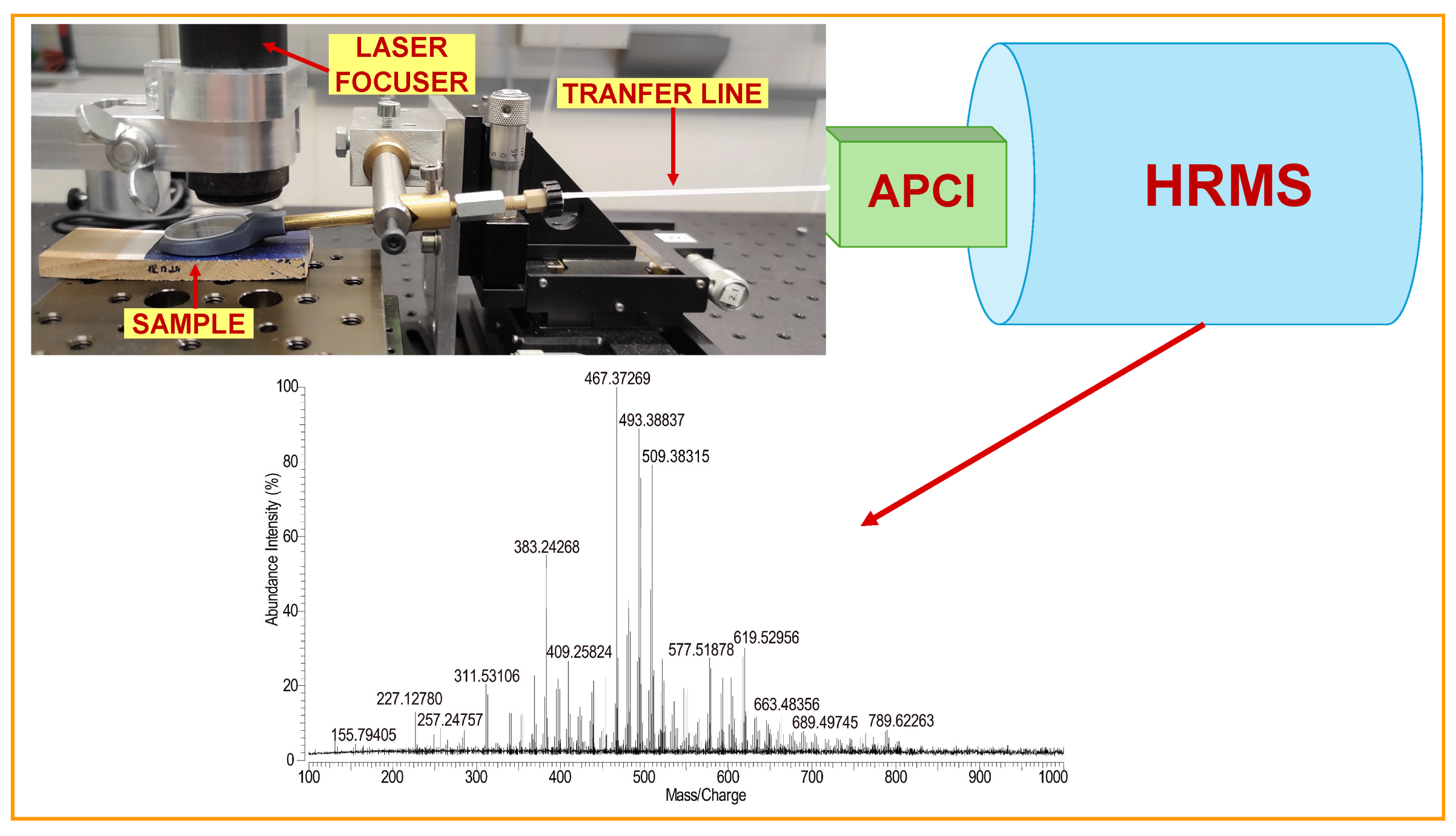
Graphical Abstract for the publication

This research article highlights a novel 355 nm optical fibre-coupled laser ablation (LA)-APCI-FT-ICR-MS system, developed for direct, controllable, rapid, and accurate analysis of organic materials from the solid surface of an artefact under ambient conditions with minimal surface damage and without the need for sample removal or sample preparation for the analysis. In this study, the effectiveness and capabilities of the developed LA-APCI-HRMS system for analysing five aged mock-up materials (copper resinate, Prussian blue oil and egg tempera paints, lead white oil paint and matte dammar varnish) and the blackish-brown material from an ointment jar from a 16th-century shipwreck were investigated. The results can be read in the article.

The PRG1198 project team has done excellent work over the past five years, culminating in a working laser-based HRMS system. The same team will begin next year with a new project, and we will continue to keep you updated on all new developments.

In the photo, the main members of the PRG team: team leader Dr Signe Vahur (in the centre), from left Dr Aleksei Treshchalov, Prof. Hilkka Hiiop, Dr Anu Teearu-Ojakäär, Dr Rünno Lõhmus and specialist Martin Leissoo.


LC-MS Method Validation web course: 999 participants from 95 countries!

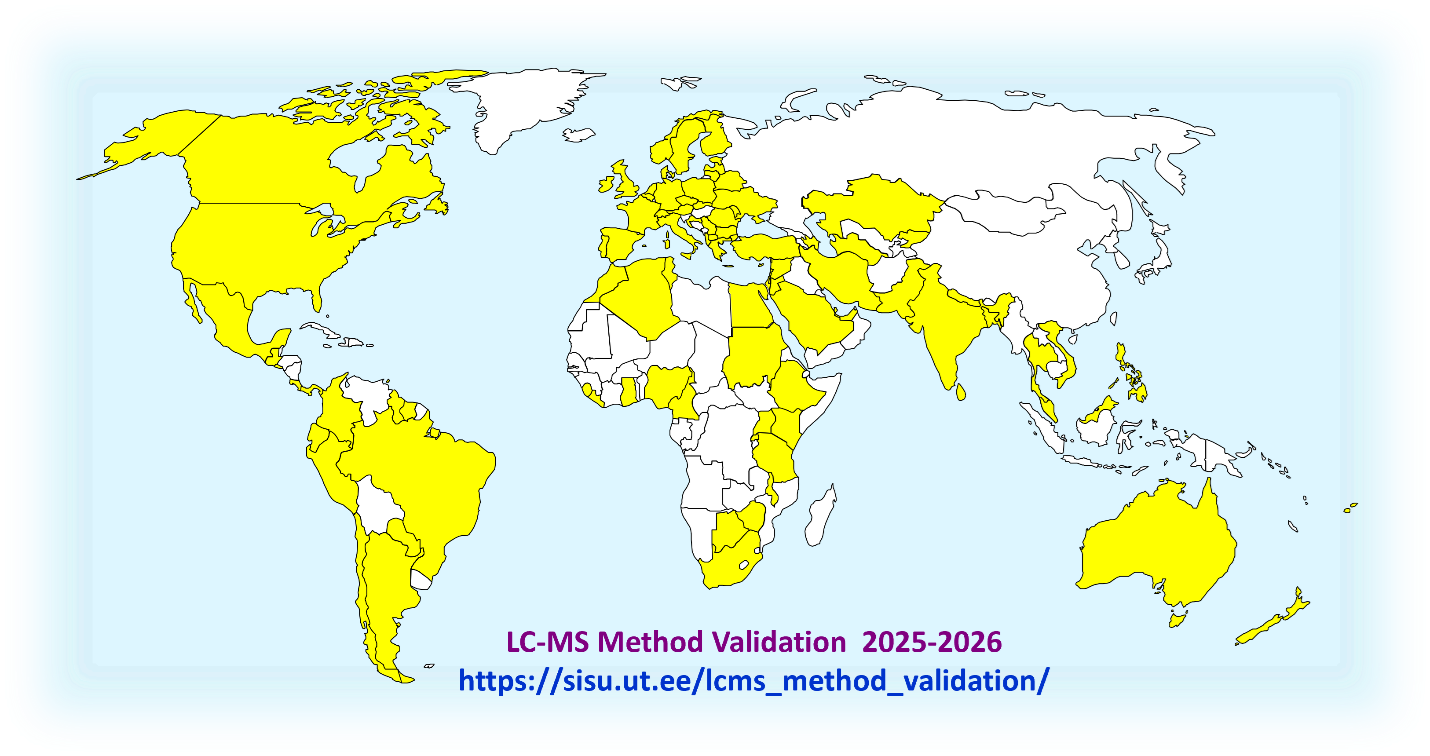
On Tuesday, December 16, 2025 the web course LC-MS Method Validation was launched for the tenth time as a MOOC (Massive Online Open Course). There are 999 registered participants from 95 countries, ranging from Canada to New Zealand and from Peru to Thailand. The image above shows the countries where the participants come from.

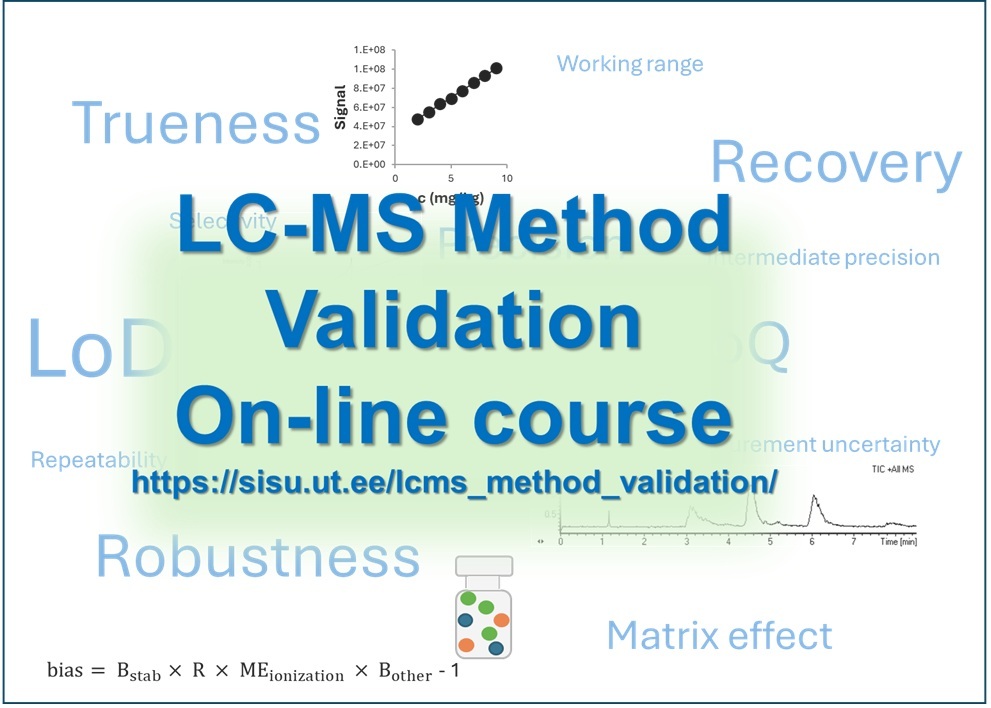
This is a practice-oriented on-line course on validation of analytical methods, specifically using LC-MS as the technique. The course introduces the main concepts and mathematical apparatus of validation, covers the most important method performance parameters and ways of estimating them. The LC-MS validation course is delivered by a team of 7 teachers, each with their own specific area of competence. This way it is expected to offer the best possible knowledge in all the different subtopics of analytical method validation.

The full set of course materials is accessible from the web page https://sisu.ut.ee/lcms_method_validation/. The course materials include videos, schemes, calculation files and numerous self-tests (among them also full-fledged calculation exercises). In order to pass the course, the registered participants have to take all tests and get higher than 50% score from each of them. These tests are available to registered participants via the Moodle e-learning platform. Participants who successfully pass the course will get a certificate from the University of Tartu.

Our LC-MS validation activities at the IUPAC-DSM LC-MS validation workshop

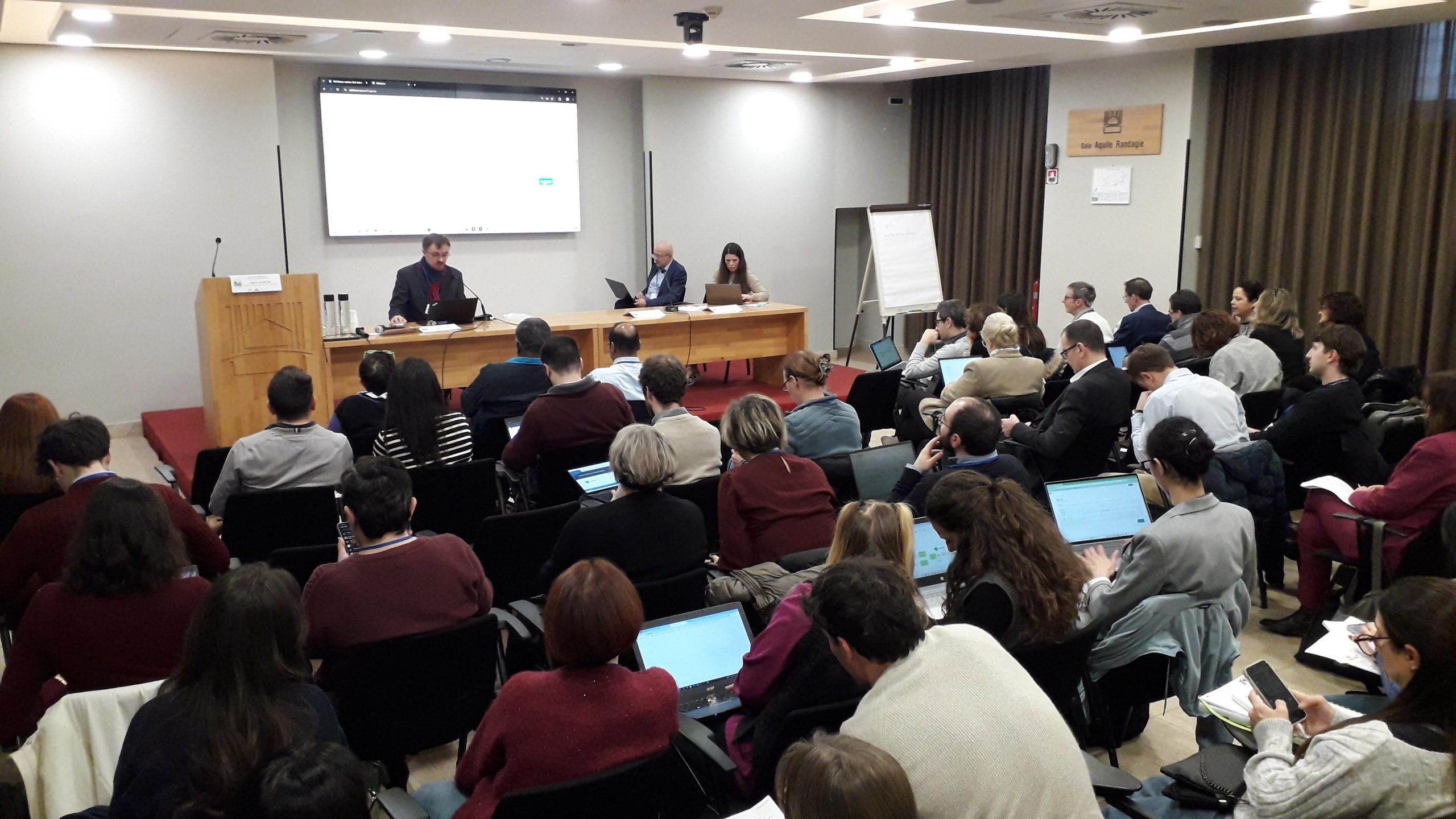
Riin Rebane, Asko Laaniste and Ivo Leito participated on 10-11.12.2025 in the Joint IUPAC-DSM Workshop on LC-MS method validation and performance, organised jointly by the IUPAC’s Division of Analytical Chemistry and the Mass spectrometry division (DSM) of the Italian Chemical Society.

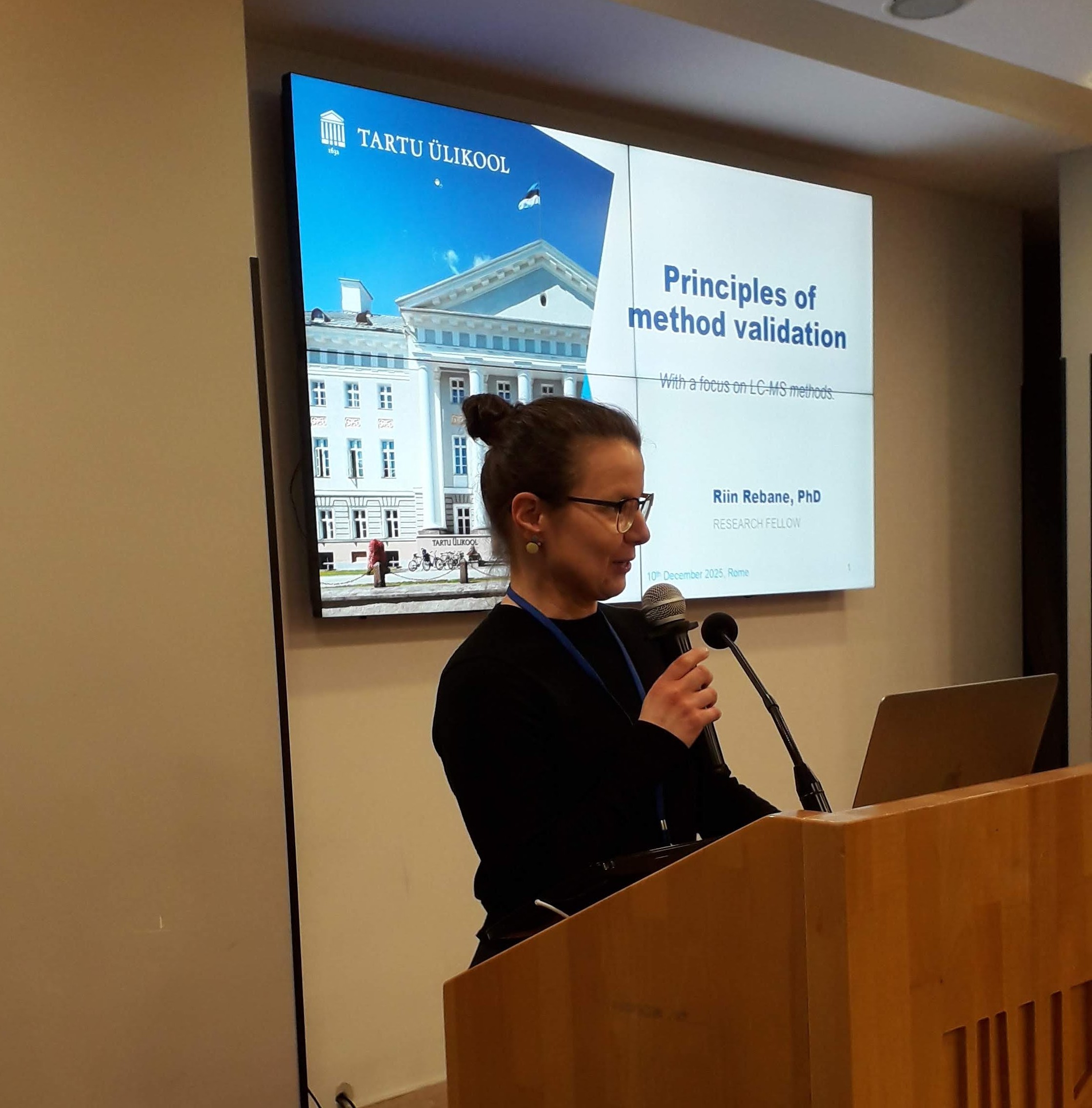
Riin presenting

Riin presented the opening keynote of the event titled “Principles of method validation”. Her presentation reframed LC-MS method validation as a risk-management process rather than a checklist of validation characteristics. By zooming out to the method’s intended purpose, each validation characteristic is linked to the specific risks it is designed to control. This view allows to build evidence that the method performs reliably under real-world conditions and is truly fit for purpose and produces results with known confidence.


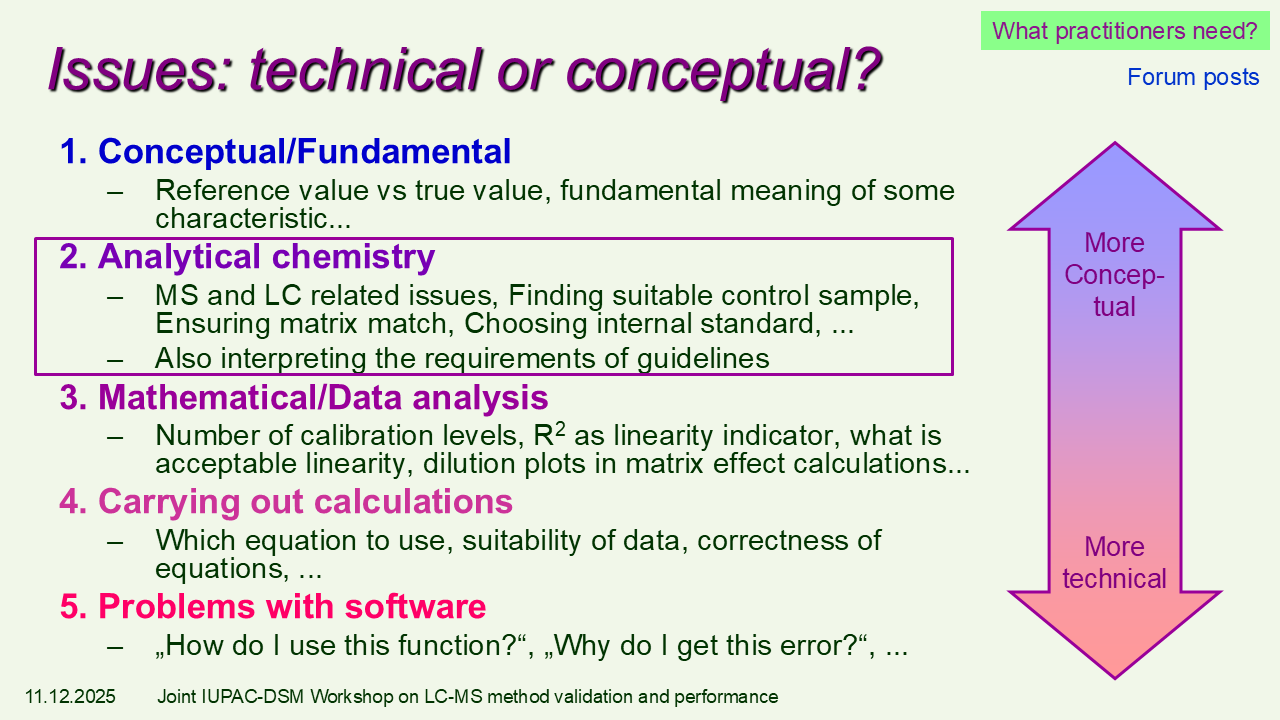
Ivo’s talk “What are the issues encountered in the real world? Lessons learned form an online validation course” presented an analysis of the main issues brought up by the participants of the nine editions of an online LC-MS method validation course (https://sisu.ut.ee/lcms_method_validation/). The analysis of 2640 course forum posts and 336 participant feedback submissions revealed that practitioners struggle a lot with calculations and spreadsheet software, which diverts effort from real “analytical hemistry” issues.  

Asko leading the ValChrom session

Asko’s session “ValChrom open-access online validation software” was a workshop in the true sense of the word: a hands-on session on the online validation software ValChrom developed at UT. Participants had instant access to the software freely available in web and demo materials. Asko walked them through the whole process of ValChrom from start to finish, from defining analytes to customizing experimental plan with AI and finishing with automatically generated DOCX file with the whole validation data in it. ValChrom’s Design of Experiements (DoE) capabilities were also covered and it was nice to see that throughout the two days a big number of presentations also involved DoE one way or another, indicating a rising need for such tools.

All in all, the contributions of our team were highly appreciated, indicated by numerous questions, both during sessions and (especially) during coffee breaks.


Tenth run of the On-line LC-MS Method Validation Course: already 536 registered people!

The tenth edition of the course on LC-MS Method Validation already has 536 registered participants! Don’t miss your chance to join – spots are filling up fast. Register now (here) and start learning! The course will be offered as a Massive Open On-line Course (MOOC) from Dec 16, 2025 to Feb 27, 2026.

This is a practice-oriented online course on validation of analytical methods, specifically using liquid chromatography-mass spectrometry (LC-MS) as the technique, mostly (but not limited to) using the electrospray (ESI) ion source. The course will also be of interest to chromatography practitioners using other detector types. The course introduces the main concepts and mathematical apparatus of validation, covers the most important method performance parameters and ways of estimating them. More information about the course can be found on the Course introduction page.

Participation in the course is free of charge. Receiving a digital certificate (in the case of successful completion) is also free of charge. A printed certificate (to be sent by post) is available for a fee of 61 EUR. Registration is possible until the start of the course. The course material is available from the above address all the time and can be used via the web by anyone who wishes to improve their knowledge and skills in analytical method validation (especially when using LC-ESI-MS).

You are welcome to distribute this message to potentially interested people!

On-line LC-MS Method Validation Course 2025-2026: Registration is open!

The tenth (!) edition of the online course LC-MS Method Validation is open for registration (registration link is here)! The course will be offered as a Massive Open On-line Course (MOOC) during December 16, 2025 – February 27, 2026.

This is a practice-oriented on-line course on validation of analytical methods, specifically using liquid chromatography-mass spectrometry (LC-MS) as technique, mostly (but not limited to) using the electrospray (ESI) ion source. The scope of the course is sufficiently broad, so that it will be useful also to chromatography practitioners using other detector types. The course introduces the main concepts and mathematical apparatus of validation, covers the most important method performance parameters and ways of estimating them. More information about the course can be found in the Course introduction page.

Participation in the course is free of charge. Receiving digital certificate (in the case of successful completion) is also free of charge. Printed certificate (to be sent by post) is available for a fee of 61 EUR. Registration is possible until the start of the course. The course materials are available from the above address all the time and can be used via web by anyone who wishes to improve the knowledge and skills in analytical method validation (especially when using LC-ESI-MS).

This year’s recipients of honorary decorations have been announced

Ivo Leito and Koit Herodes were awarded honorary decorations by the University of Tartu.
Professor Ivo Leito received the University of Tartu Grand Medal, and Associate Professor Koit Herodes received the University of Tartu Badge of Distinction

Ivo and Koit

Ivo, our Professor of Analytical Chemistry, has been recognised with the university’s highest internal honour for services of particular value. The Grand Medal highlights Ivo’s internationally renowned scholarship that blends high-level fundamental research with metrological precision and innovative teaching. His excellent leadership and mentorship have shaped generations of chemists and strengthened the standing of analytical chemistry at the University of Tartu and beyond.

Koit, our Associate Professor of Analytical Chemistry, has been awarded the University of Tartu Badge of Distinction in acknowledgement of his dedicated service to the University. Koit’s contributions to analytical chemistry spanning from research to teaching have had a strong positive impact on our group’s scientific excellence and student experience.

The decisions were made by the University of Tartu senate on October 31. The University will present this year’s honorary decorations at a ceremony on 21 November at 16:00 in the University of Tartu assembly hall. More information and the other recipients can be found here

Please join us in congratulating Ivo and Koit on these well-deserved recognitions!

ICNTS25 – Gathering people without targets!

Having no predefined targets in your sample isn’t always a drawback. The International Conference on Non-Targeted Screening (ICNTS) demonstrated how omitting targets in mass spectrometry analysis can reveal a broader and more nuanced picture of the chemical space. 

Pilleriin presenting at ICNTS25

From October 13-16, for the fifth time, non-targeted screening experts from around the world gathered in Erding, Germany, to share their latest research and exchange ideas. The event showcased cutting-edge developments across diverse fields, including metabolomics, foodomics, water analysis, harmonisation, and prioritisation. 

Representing our group, Pilleriin Peets, Principal Investigator of the Chemical Space & Omics group, gave an oral presentation on compound class vectors for comparing metabolomics samples. Her talk was part of the computational mass spectrometry session, chaired by Emma Schymanski, who also gave a keynote on “Data Handling in a Modern NTS World.” 

The ICNTS once again proved that by embracing the unknown, researchers are expanding the boundaries of chemical analysis and opening new doors for discovery. Whether in environmental science, health, or food safety, the power of non-targeted approaches lies in their ability to reveal what we didn’t even know to look for. 

Learn more about the conference and the community: https://afin-ts.de/icnts25/

Indrek Saar, PhD

Indrek during his PhD defence

On the 27th of August, Indrek Saar successfully defended his great innovation-based dissertation „Development of novel on-site chemical analysis tests – from alternative materials and technologies to functional prototypes”.

With his opponent Prof. Nicole Pamme, who is focused on Lab-on-a-Chip devices, they gave a memorable and enjoyable PhD defence at the Institute of Chemistry. Prof. Nicole Pamme holds a chair in Analytical Chemistry at Stockholm University. During the defence, her excellent general science-to-market questions, as well as detailed questions specific to chemistry and material science, helped the audience to gain a clear understanding of the need for research, practical applications and how everything was also achievable from a technological perspective.

Indrek’s dissertation has given valuable new insights into the simple to use on-site chemical analysis tests.

Picture of the fully assembled Biotin test developed in this work.

What if advanced chemical testing could be done anywhere – right where the need arises, without a laboratory?

Traditional high-quality chemical analyses often require complex equipment, trained personnel, and significant time, creating a need for faster, more accessible solutions. In Indrek`s thesis, new on-site chemical analysis tests were developed that not only simplify testing but also aim to achieve higher analytical performance than existing portable methods. These tests were developed using a novel screen-printed particle-based method that is fast, low-cost, and potentially scalable for mass production.

The applications of functional prototypes included monitoring biotin levels in urine and measuring different metal cations in various water samples, even in challenging agricultural nutrient solutions containing strong chelating agents.

Separation of biotin and its metabolites on the printed microfluidics chip. The chip has been visualised by spraying it with a solution of p-dimethylaminocinnamaldehyde (p-DACA) in ethanol and sulphuric acid.

These patented innovations are laying the foundation for highly capable, mass-producible diagnostic tools that can enable faster, more accurate decision-making in environmental monitoring, healthcare, and agriculture.

During his PhD studies and research, Indrek was supervised by Dr Hanno Evard and by Prof. Ivo Leito. Indrek’s special thanks go to the main supervisor, Dr Hanno Evard, who had been a constant source of guidance, encouragement, and support. From countless discussions and brainstorming sessions to planning and problem-solving, Hanno’s insight and commitment had been central to this work.

A Smooth and Memorable Defence

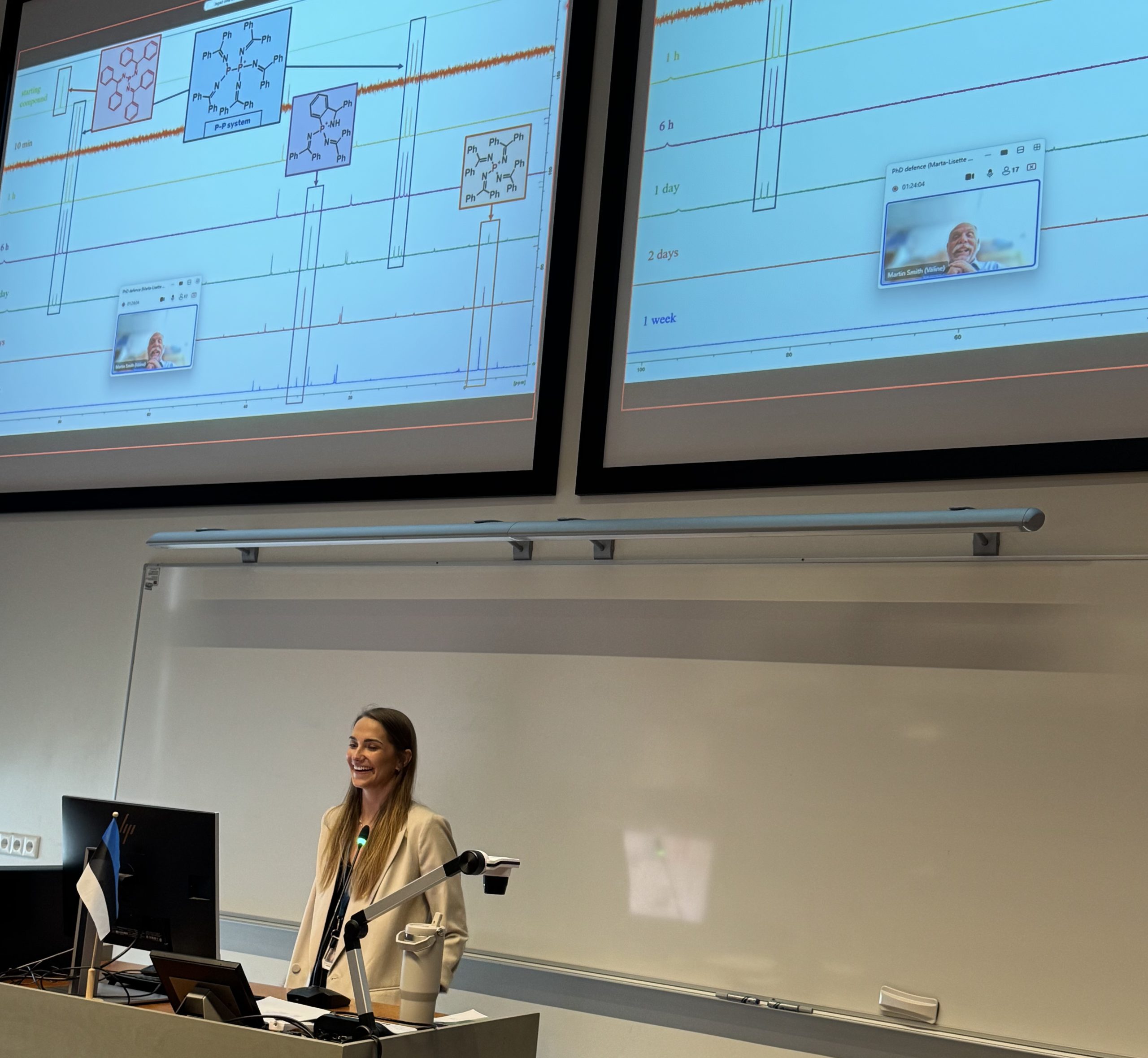
Marta during her PhD defence

On the 27th of August, Marta-Lisette successfully defended her dissertation “Exploring the basicity of phosphanes and related compounds”, marking an important milestone in her academic journey. Her dissertation has given valuable new insights into the basicity and preparation of phosphanes and related compounds. The defence was conducted in an atmosphere of professionalism and collegiality, with a thoughtful exchange of ideas and perspectives.

Special thanks go to the opponent, Dr Martin Smith from Loughborough University, whose insightful and well-chosen questions guided the discussion. His role helped ensure the defence was not only rigorous but also smooth and engaging.

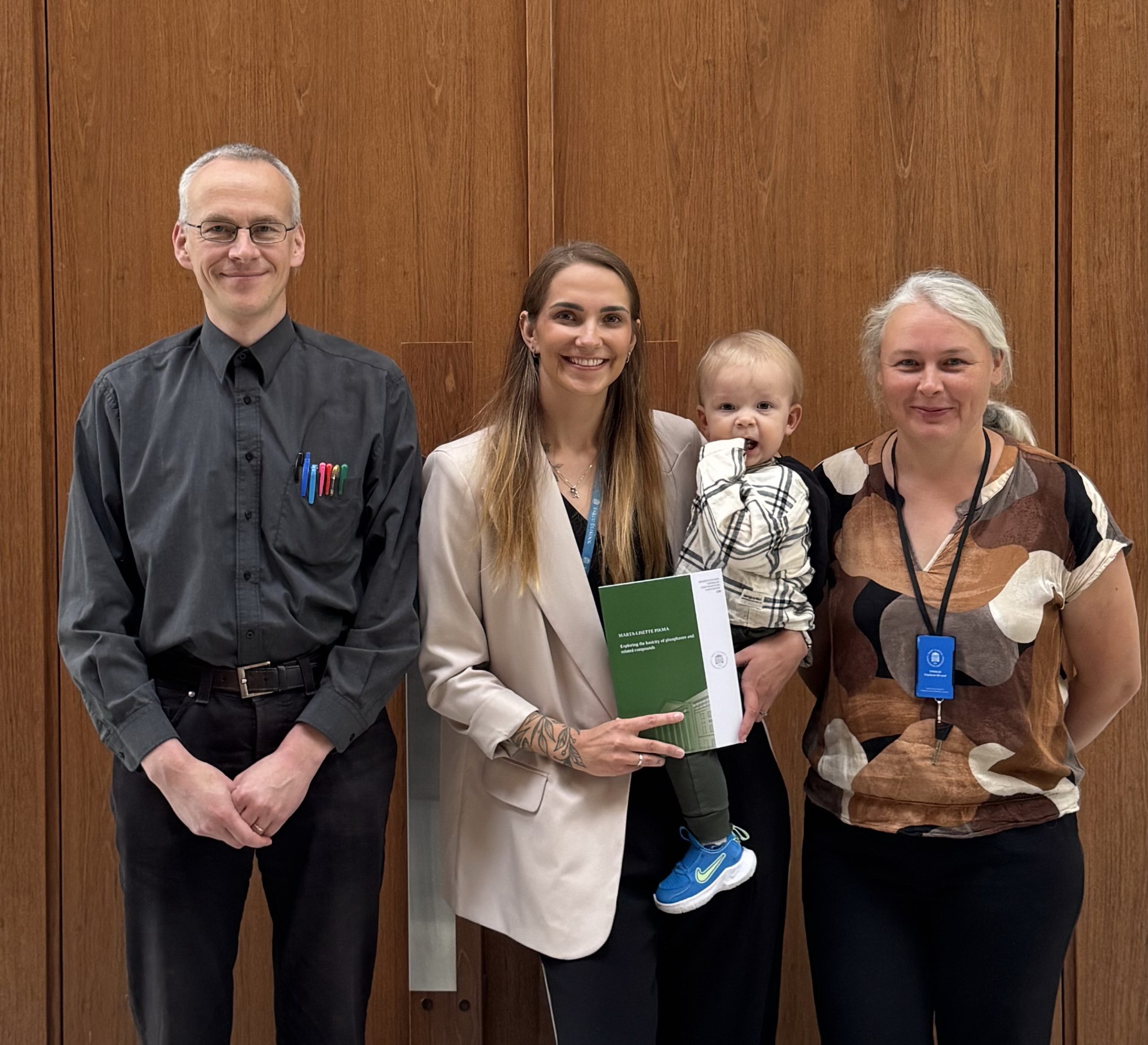
It was a proud moment for Marta (and her supervisors) and a wonderful occasion for everyone who has supported her throughout this process. Congratulations to her on this achievement!

From left: Ivo, Marta, Arkyn, and Agnes

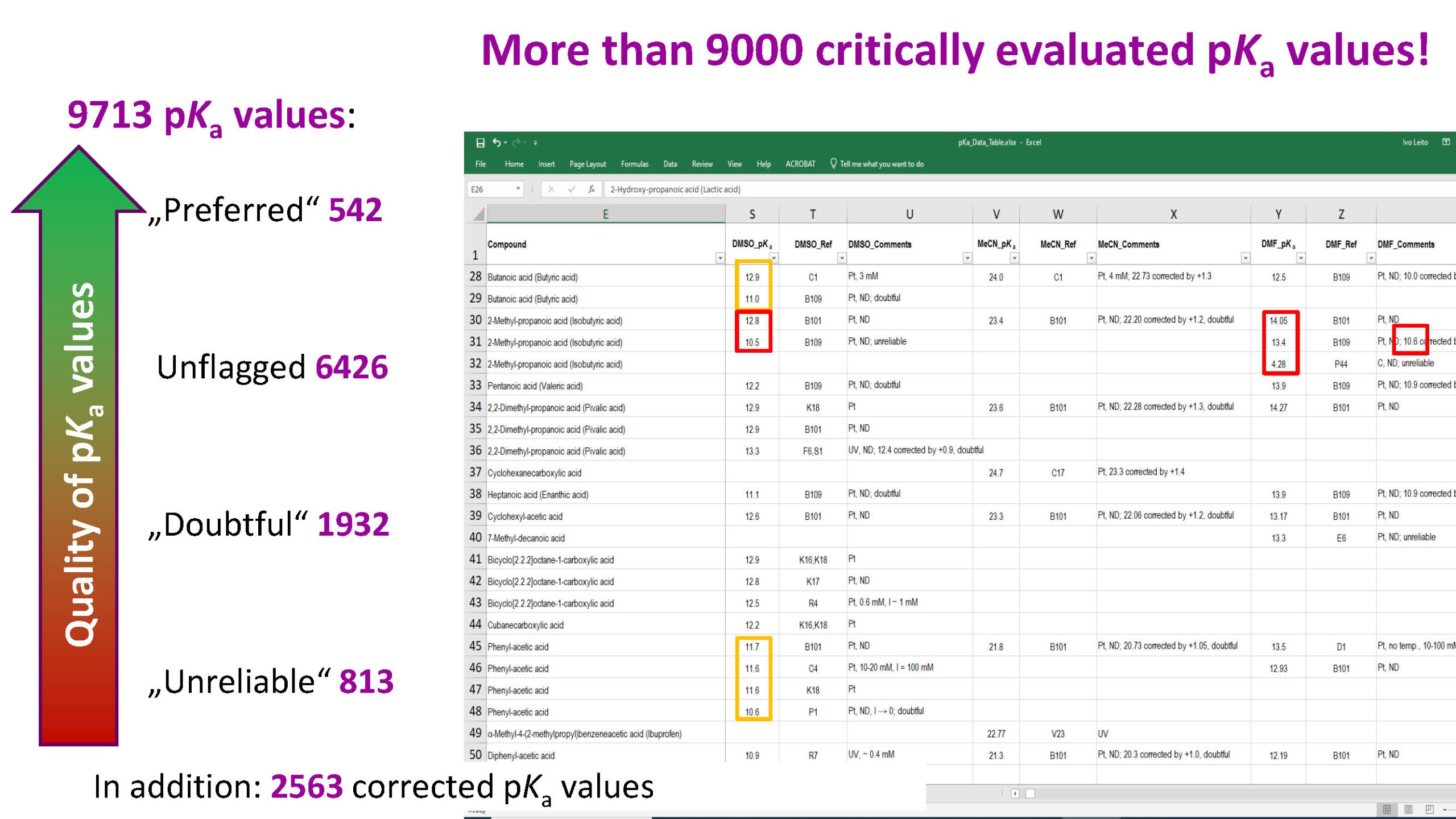
9000 Quality-evaluated pKa values of more than 5000 acids in 7 dipolar aprotic solvents!

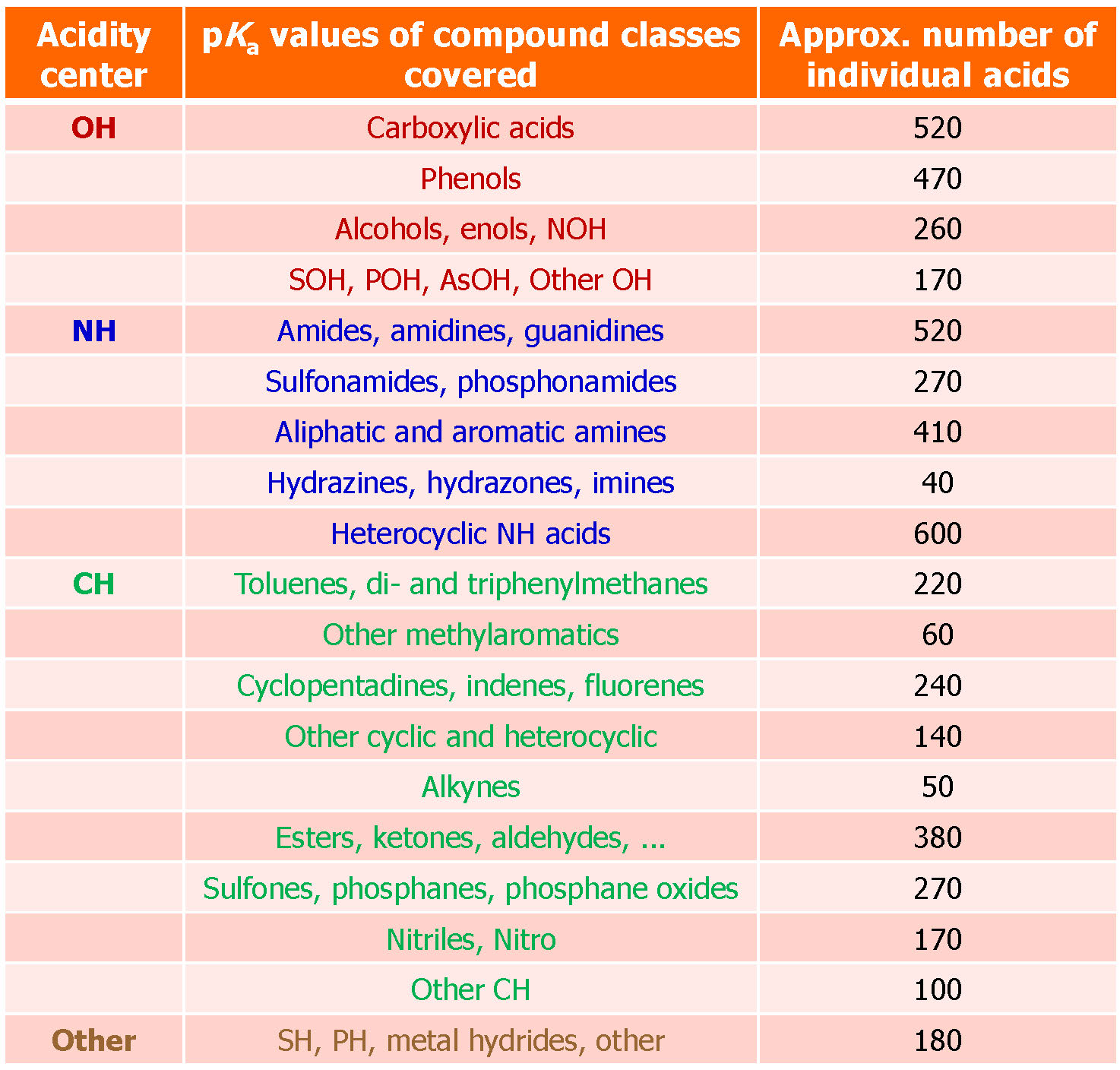
More than 9000 quality-evaluated pKa values of more than 5000 acids in 7 dipolar aprotic solvents (DMSO, MeCN, DMF, pyridine, acetone, propylene carbonate and THF) have been collected from around 800 original works and are now available as an IUPAC technical report Acid dissociation constants in selected dipolar non-hydrogen-bond-donor solvents. Pure and Applied Chemistry. 2025, https://doi.org/10.1515/pac-2024-0276. The widest possible selection of compound classes is covered (Table below). The results of this large-scale pKa data collection and evaluation work are now available for the scientific community to use in reaction mechanism analysis and modelling, catalyst design, computational method development, etc.

Very importantly, the collected pKa data have been critically evaluated based on predefined quality criteria and depending on situation, kept as they were originally published, flagged as doubtful/unreliable (around 2700 values) or corrected (around 2500 values) (Figure above).

To enable automated processing and data mining, as well as other kinds of cheminformatics, the data are presented as a set of spreadsheets, together with structural codes (SMILES and InChI strings), compound class qualifiers and comments.

The published IUPAC Technical Report contains also comprehensive educational background information on the acid-base processes in non-aqueous media, as well as brief descriptions of the main measurement methods, with focus on the reliability of the data and sources of uncertainty.

The data collection has been deposited in the Zenodo repository and is freely available at https://doi.org/10.5281/zenodo.12608876.

The work has been carried out in the framework of the IUPAC project 2015-020-2-500. It was additionally funded by numerous sources, most importantly the EMPIR programme (project 17FUN09 “UnipHied”, www.uniphied.eu), by the Estonian Research Council grant (PRG690) and by the Estonian Ministry of Education and Research (TK210).